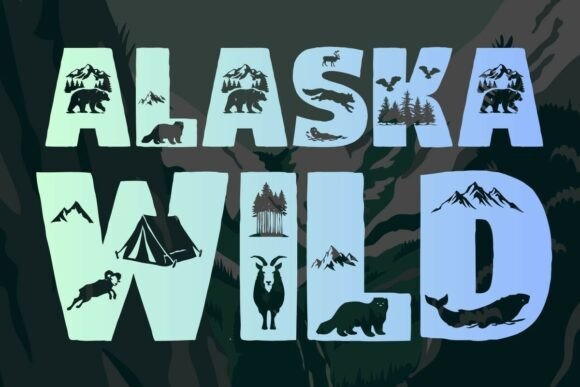
Alaska Wildlife Font for Web Design
The Alaska Wildlife font is a bold, rustic decorative typeface that brings the wild essence of Alaska into digital design. Its unique character set incorporates elements inspired by Alaskan wildlife, rugged landscapes, and natural textures, making it ideal for web projects that need a strong visual identity.
This font works best as a display typeface, offering a distinctive personality that stands out in headers, logos, and branding materials. Its thick strokes and organic shapes add a sense of strength and authenticity, perfect for websites focused on outdoor brands, creative portfolios, or nature-inspired businesses.
Using Alaska Wildlife in Web Layouts
For web designers, Alaska Wildlife can be a powerful tool in creating visual hierarchy. It excels in hero sections, call-to-action buttons, and landing page headlines where bold typography draws attention. When used strategically, it enhances the overall aesthetic without compromising readability.
On mobile screens, the font maintains clarity at larger sizes, making it suitable for buttons and banners. However, it's best to avoid using it for long paragraphs. Instead, pair it with a clean sans serif font for body text to ensure legibility across all devices.
Brand Tone and Visual Identity
Alaska Wildlife contributes to a brand’s tone by evoking a sense of adventure, resilience, and connection to nature. This makes it a great choice for eco-friendly startups, outdoor gear companies, or creative agencies looking to establish a memorable identity.
When designing a website, consider how the font aligns with your brand’s message. For example, a boutique online store selling handmade goods could use Alaska Wildlife in product titles and banners to create a warm, artisanal feel. A coaching website might use it in headlines to convey authority and inspiration.
Design Applications and Examples
Imagine a digital portfolio site for a graphic designer who specializes in nature-themed work. Using Alaska Wildlife in the header and section titles adds a cohesive, thematic element that reinforces the designer’s style. Similarly, a blog about wilderness exploration could use the font in article headers to create an immersive reading experience.
For an online store, Alaska Wildlife can be used in promotional banners and product headings to capture attention and communicate a unique brand voice. On a course sales page, it can highlight key benefits and create a sense of urgency in call-to-action buttons.
Readability and Responsive Design
When using Alaska Wildlife on dark backgrounds, ensure there is enough contrast to maintain readability. On light backgrounds, the font’s boldness helps it stand out without being overwhelming. For image overlays, consider placing text in areas with minimal detail to keep it clear and legible.
In responsive layouts, test the font at different screen sizes to ensure it scales well. Avoid using it in small text sizes, as the intricate details may become hard to read. Instead, reserve it for larger, more prominent elements where its visual impact can shine.
Font Pairing and Typography Balance
Pairing Alaska Wildlife with a simple sans serif or serif font creates a balanced and professional look. For instance, using a clean sans serif like Open Sans for body text while reserving Alaska Wildlife for headings provides a modern yet expressive design.
For editorial-style websites, combining it with a serif font like Georgia can add a classic, refined touch. In contrast, pairing it with a script or handwritten font might work for more casual or artistic projects, but do so carefully to avoid clutter.
Commercial Use and Licensing
Before using Alaska Wildlife in client projects, online stores, or digital templates, verify the commercial license terms. Ensure the font is available in webfont formats such as WOFF or WOFF2 for seamless integration into websites.
Check if the font includes multiple weights, alternates, and support for different languages, especially if your audience is global. These features can enhance flexibility and usability across various design applications.
Enhancing User Engagement and Trust
A well-chosen font like Alaska Wildlife can influence user behavior and perception. Its bold, distinctive style can make a website feel more engaging and trustworthy, especially when used in key areas like headlines and CTAs.
Users tend to scan web pages quickly, so using Alaska Wildlife in high-impact areas helps guide their attention and reinforce brand messaging. It also adds a layer of personality that can differentiate a site from competitors.
Conclusion
Alaska Wildlife is a versatile decorative font that offers both aesthetic appeal and practicality for web design. Whether you're working on a creative portfolio, an online store, or a digital brand kit, this font can elevate your design with its rugged, natural charm.
By understanding its strengths and limitations, you can use Alaska Wildlife effectively to enhance visual hierarchy, brand identity, and user engagement across digital platforms.